
Gum Disease Treatment in Box Hill
- Home
- Gum Disease
Gum Disease

Gum Disease
A recent survey revealed that almost 50% of Australian adults suffer from gum disease, highlighted as a major dental problem. It is necessary to take measures to avoid the disease, however unfortunately many people wait until the later stages before action is taken. Gum disease symptoms like bleeding and inflamed gums are often ignored as they appear to be normal.
When Should I be Concerned?
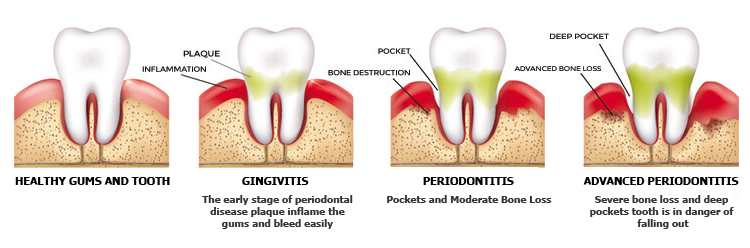
It is important for you to monitor the state of your teeth on a regular basis to ensure that all possible symptoms of gum disease are addressed on time. You should get concerned when you start having bad breath or bleeding gums when brushing your teeth. Gum disease can make you lose your teeth as it affects tissues and jaw bones that keep your teeth in place. It damages your jaw and in the process opens spaces between your teeth and the gum.
What Causes Gum Disease?
Gum disease or periodontal disease is caused by bacteria that reside around your gums and teeth. Every person has some common bacteria in their mouth that form a major source of gum disease. Failure to floss, flush or brush your teeth on a regular basis leads to a higher concentration of these bacteria and in the process increasing the chances of gum disease.Gingivitis is the initial stage of gum disease. The stage is characterised by bleeding or inflammation of gum due to the multiplication of bacterial around your teeth. The bacterium resides in tartar or plaque around the gum line making you experience the first signs of gingivitis in the absence of proper treatment.
Although some of the bacteria in the plaque may not be harmful, it is important to point out most of them can damage your gums. The bacteria in the plaque feed on starchy or sugary foods that remain in your mouth after eating turning the carbohydrates into acid and energy. The acid begins to cause tooth decay by breaking down the tooth’s surface as the bacterial irritates the gums. Consequently, the gums become sore and inflamed as a result of this irritation. A dental hygienist has the necessary expertise and equipment to remove plaque and tartar from your teeth. The most common risk factors for gum disease include:
- Poor oral hygiene
- Stress
- Malnutrition
- A weakened immune system
- Diabetes
- Smoking
Symptoms of Gum Disease
- Collection of pus under your teeth or gums
- Loss of teeth
- Unpleasant taste in your mouth
- Bad breath
- Fever
- Difficulty in swallowing
- Excess saliva
- Receding gums
- Painful ulcers