
Emergency Dentist in Box Hill — Same-Day Care
- Home
- Emergency Dentist

Emergency Dentist in Box Hill
Dental emergencies rarely happen at a convenient time. Whether it is sudden tooth pain, a knocked-out tooth, a broken filling or swelling, knowing what to do and being able to reach a dentist quickly can make a real difference. If you are in significant pain or distress, the most useful thing is to phone the practice so we can advise you and arrange to see you as soon as possible.
At Supreme Dental Smile Gallery in Box Hill, we understand that urgent dental problems are stressful. Our team aims to see patients in pain promptly and to give clear guidance in the meantime.
If you have severe swelling affecting your breathing or swallowing, difficulty breathing, or significant facial trauma, treat it as a medical emergency and call 000 or go to your nearest hospital emergency department.
What counts as a dental emergency?
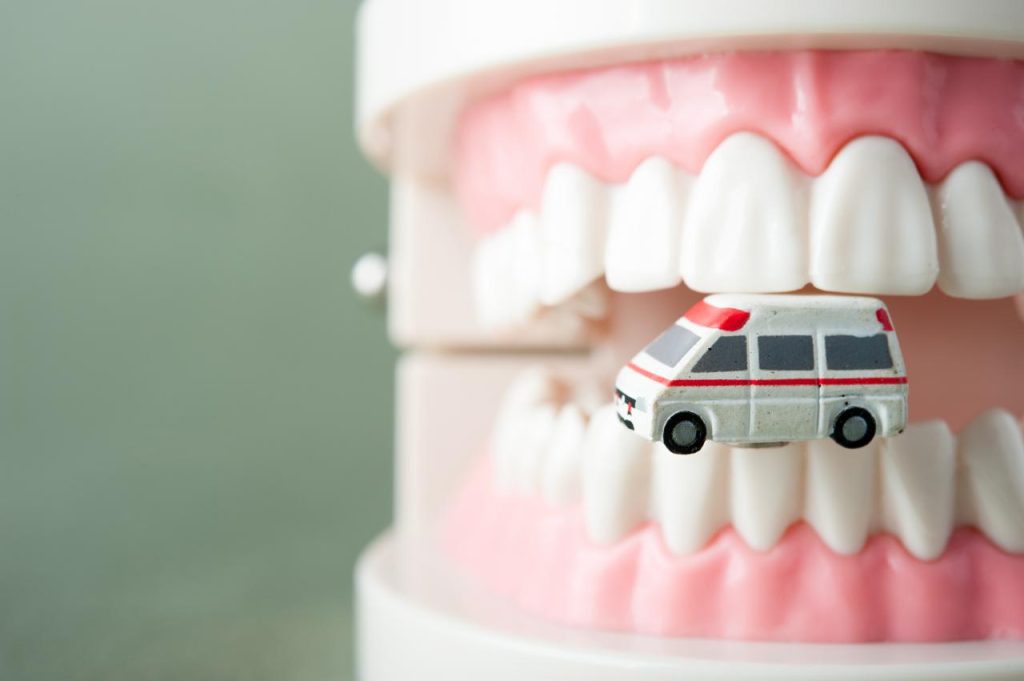
- Severe or persistent toothache that is not relieved by usual measures.
- A knocked-out (avulsed) adult tooth.
- A broken, cracked or chipped tooth, especially with pain.
- Swelling of the gum, face or jaw, which may suggest infection.
- A lost or broken filling or crown causing pain or a sharp edge.
- Bleeding that does not settle, or dental pain after an injury.
If you are unsure how serious your situation is, it is always reasonable to call and ask. Describing your symptoms helps us advise whether you need to be seen straight away.
What to do before you reach the dentist
A few simple steps can help while you arrange care. This is general information, not a substitute for advice about your specific situation:
Knocked-out tooth
For an adult tooth, handle it by the crown (the top), not the root. If it is dirty, rinse it gently. If you can, reposition it in the socket and bite gently on a clean cloth; if not, keep it in milk and seek dental care urgently, as time matters.
Toothache
Rinse with warm water and gently clean around the tooth to remove any trapped debris. Over-the-counter pain relief you normally tolerate may help. Avoid placing tablets directly against the gum, which can irritate the tissue.
Broken tooth or lost filling
Keep the area clean and avoid chewing on that side. If there is a sharp edge, keeping the tongue away from it helps until you can be seen.
Swelling
Facial or gum swelling can indicate infection and should be assessed promptly. Contact the practice for advice, and seek urgent medical care if swelling is severe or affects breathing or swallowing.
Preventing emergencies where you can
Children's dental emergencies
Emergencies involving children can be especially worrying. If a child knocks out a baby tooth, do not try to put it back, as this can affect the developing adult tooth underneath instead, keep the area clean and contact us for advice. For a knocked-out adult tooth, the same urgent steps apply as for adults. For chips, knocks or toothache in children, it is best to have them assessed promptly. Our team is experienced in providing gentle children’s dentistry and will help keep an anxious child calm during an urgent visit.
Why acting quickly can matter
Reach our Box Hill team
Achieve The Oral Health You Desire!
FAQs
What should I do if my tooth gets knocked out?
Handle an adult tooth by the crown, not the root, and rinse it gently if dirty. If possible, place it back in the socket and bite on a clean cloth; otherwise keep it in milk and seek dental care urgently, as acting quickly gives the best chance of saving it.
Is a toothache a dental emergency?
Severe or persistent toothache, especially with swelling or fever, should be assessed promptly as it can indicate infection. Milder discomfort still warrants a dental visit soon. If unsure, call the practice and describe your symptoms for advice.
What is considered a dental emergency?
Common dental emergencies include severe toothache, a knocked-out tooth, a broken tooth with pain, facial or gum swelling, uncontrolled bleeding, and a lost filling or crown causing pain. Severe swelling affecting breathing needs urgent medical care.
How do I manage dental pain until I can see a dentist?
Rinsing with warm water, gently cleaning around the tooth and taking pain relief you normally tolerate may help. Avoid placing tablets directly on the gum. These are temporary measures see a dentist to address the cause.
Can I see a dentist on the same day for an emergency?
When should I go to hospital instead of the dentist?
Seek emergency medical care or call 000 if you have severe swelling affecting breathing or swallowing, difficulty breathing, or significant facial trauma. For most tooth-related problems, a dentist is the appropriate first contact.