Custom Porcelain Veneers in Box Hill
- Home
- Dental Veneers
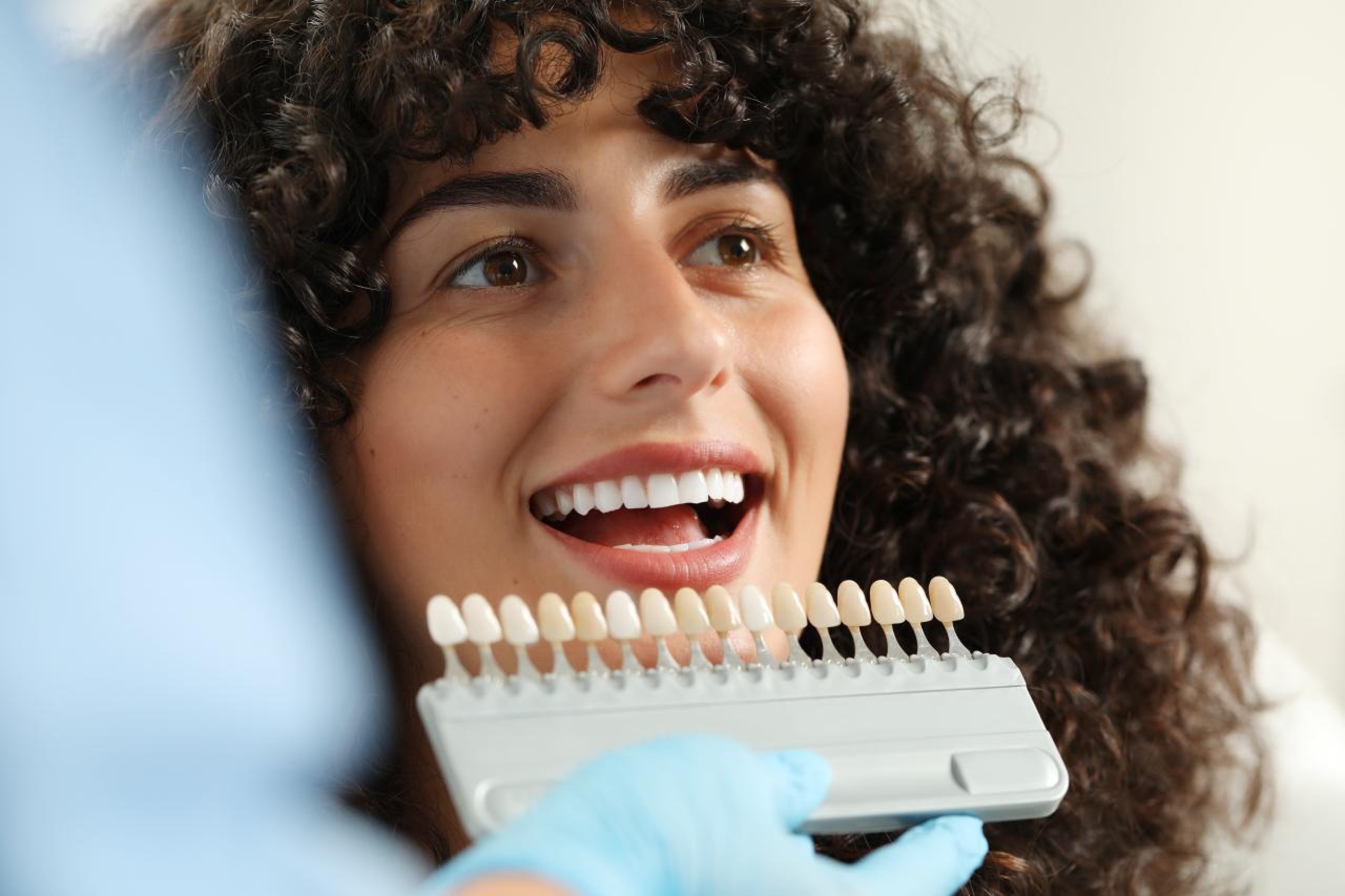
Dental veneers are thin, custom-made shells that fit over the front surface of a tooth. They are one of the most versatile options in cosmetic dentistry, used to improve the appearance of teeth affected by chips, discolouration, small gaps, uneven edges or wear. Because each veneer is crafted to your smile, the aim is a result that blends naturally with your other teeth.
At Supreme Dental Smile Gallery in Box Hill, veneers begin with a proper conversation about what you would like to change. The dentists assess whether veneers are the right approach for you, or whether another option would serve you better.
What dental veneers can help with
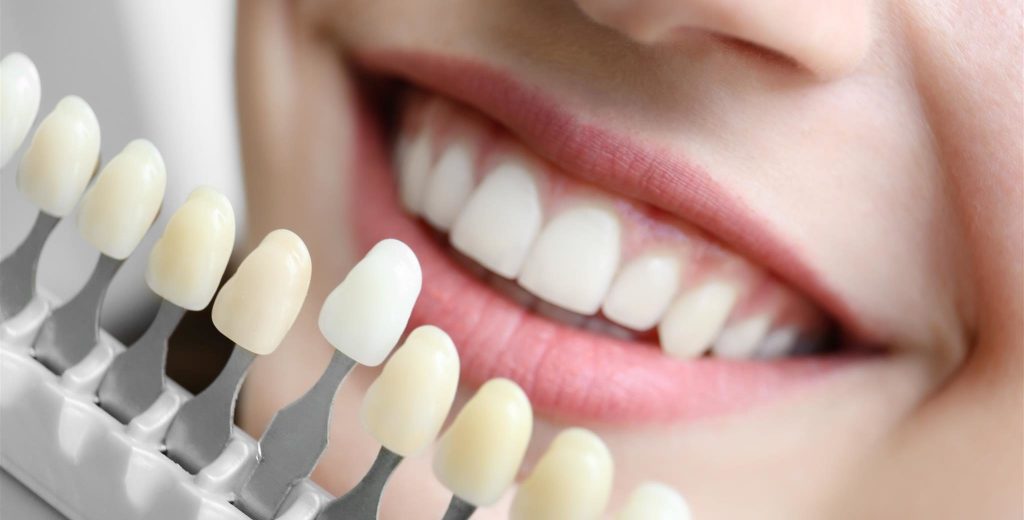
Veneers are a cosmetic solution rather than a treatment for dental disease, so healthy teeth and gums come first. They are often considered for concerns such as:
- Teeth that are stained or discoloured and do not respond well to whitening.
- Chipped, cracked or worn front teeth.
- Small gaps between teeth.
- Teeth that are slightly misshapen or uneven in size.
Porcelain and composite veneers
Both materials can improve a smile, and each has trade-offs. Porcelain is a durable ceramic that resists staining well and handles light in a way that mimics natural enamel, but it is made in a dental laboratory and usually takes more than one visit. Composite is applied directly to the tooth and can often be completed in a single appointment, though it may need more upkeep over time. The right material depends on your teeth, your priorities and your budget.
Veneers or crowns?
What the process involves
- Consultation and planning
The dentist examines your teeth and gums, discusses your goals and explains what is realistically achievable. Because outcomes vary between individuals, this step is about setting clear, honest expectations. - Preparation and impressions
For porcelain veneers, a small amount of enamel is usually reshaped so the veneer sits flush. Impressions or a digital scan are taken and sent to a laboratory, where your veneers are custom-made. - Fitting
At a later visit, the veneers are checked for fit and appearance, then bonded to your teeth, with any final adjustments made so your bite feels comfortable.
How natural do veneers look?
Things to consider before choosing veneers
Veneers are a considered decision rather than a quick fix, and a few points are worth weighing beforehand:
- Porcelain veneers usually involve reshaping a small amount of enamel, which is not reversible.
- The tooth beneath a veneer can still develop decay, so ongoing care remains essential.
- Veneers may need replacing at some point, as with most dental restorations.
- Healthy teeth and gums are needed first; existing problems are treated before veneers.
Caring for your veneers
Considering veneers in Box Hill?
A veneer plan should always be built around your individual teeth, so the most useful next step is a consultation. Serving the Box Hill community since 2009, the team will assess your suitability, explain the porcelain and composite options, and outline the likely cost and timeframe before you decide. Explore our wider cosmetic dentistry services, then book a consultation to talk it through.
Achieve The Oral Health You Desire!
FAQs
How long do dental veneers last?
With good care and regular dental visits, veneers can last many years, though lifespan varies between individuals. Habits such as teeth grinding, biting hard objects and oral hygiene all affect how long they last.
Do veneers ruin your natural teeth?
Are porcelain or composite veneers better?
How much do veneers cost in Box Hill?
Cost depends on how many veneers you need and the complexity of your case. We provide a personalised estimate after assessing your teeth at a consultation, so you have clear figures before proceeding.